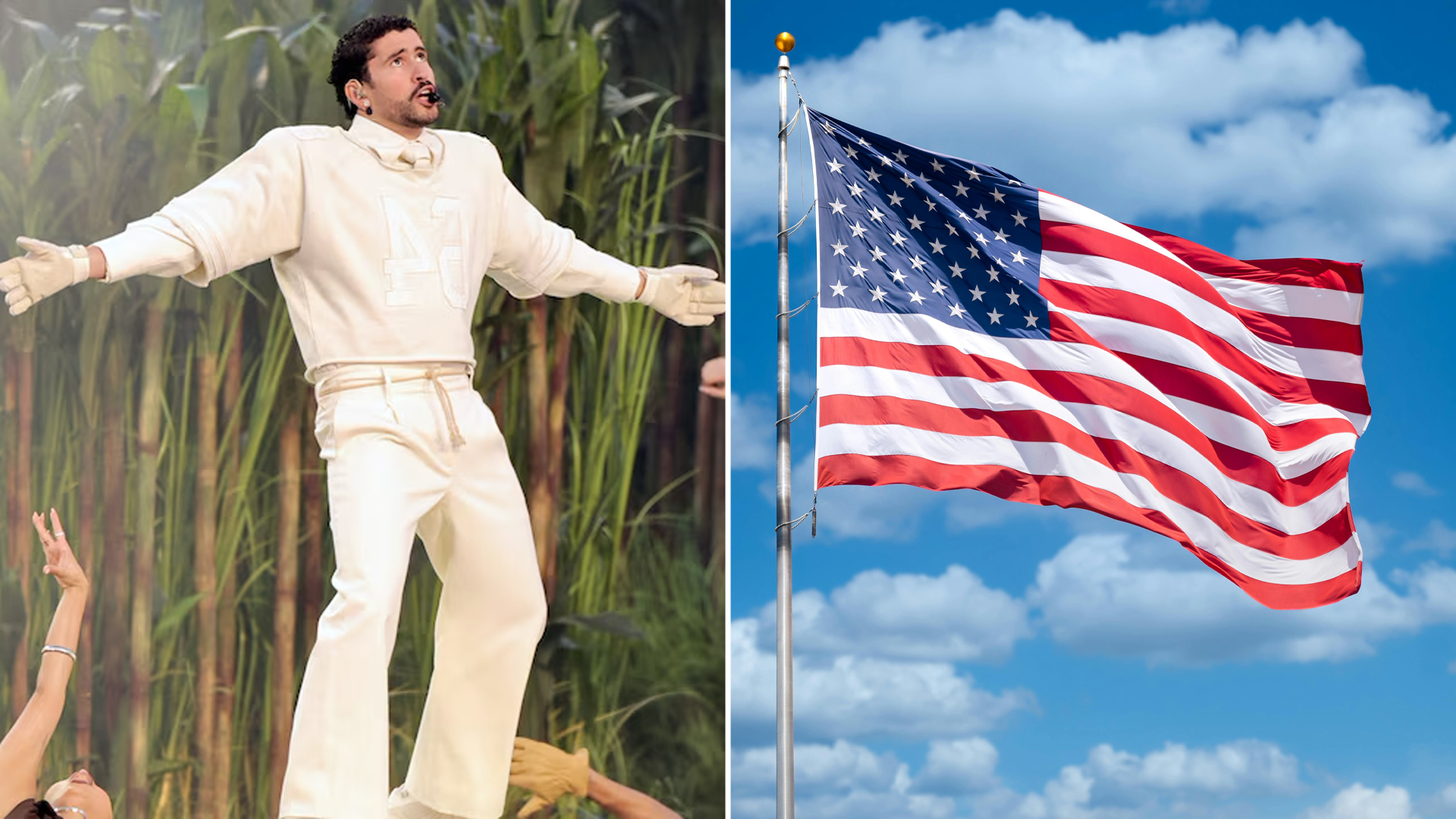
In the aftermath of Super Bowl LX, the typical post-game debates about bad calls and quarterback ratings have been replaced by a much fiercer fight over the very definition of American culture. While the NFL’s official halftime show featured a high-energy, Spanish-language performance by Puerto Rican superstar Bad Bunny, a significant portion of the country spent those thirteen minutes elsewhere—and now, the Federal Communications Commission (FCC) is getting involved.
Fueled by the massive success of Turning Point USA’s (TPUSA) “All-American Halftime Show” alternative, a wave of public complaints and political pressure has forced the FCC to initiate an inquiry. The core of the controversy? A performance that critics claim “doesn’t represent America” because it was delivered almost entirely in Spanish.
The stage was set for a cultural showdown long before kickoff. When the NFL announced Bad Bunny—the world’s most-streamed artist—as the headliner, it was seen as a play for global relevance. TPUSA countered by organizing their own event featuring Kid Rock, Brantley Gilbert, and Lee Brice, framing it as the “real” American choice.
The result was a fractured viewership. While the NFL broadcast held the traditional TV audience, the TPUSA digital stream exploded. In the days since, the organization has claimed a staggering 1.5 billion views across all platforms (counting live viewers, replays, and viral social media clips). This massive “opt-out” gave political teeth to the grievances that are now landing on the FCC’s desk.
Leading the charge is U.S. Congressman Andy Ogles (R-TN), who has formally requested a congressional inquiry into the broadcast. While Ogles’ public statements labeled the show “pure smut” due to its suggestive choreography and “twerking,” his legal argument to the FCC focuses on a more complex issue: the responsibility of broadcasters to serve the “public interest” of the national audience.
The investigation is reportedly exploring several key questions:
-
Decency Standards: Did the use of Spanish allow “explicit” lyrics to bypass traditional broadcast filters?
-
Cultural Representation: Does a Spanish-only performance during a “uniquely national” American event meet the FCC’s mandate to reflect “contemporary community standards”?
-
Transparency: Were parents and families adequately warned that the primary entertainment for the evening would be in a language other than English?
For the millions who tuned into the Kid Rock alternative, the FCC complaint is the natural conclusion to what they saw as a “betrayal” of the Super Bowl’s status as a patriotic institution.
The phrase “It doesn’t represent America” has become a rallying cry on social media. Supporters of the investigation argue that the Super Bowl is the one night of the year when the country should be unified by common symbols and a common language. By ceding the stage to a performance that ignored the primary language of the United States, they argue the NFL and NBC alienated their core constituency.
“There is a difference between ‘global reach’ and ‘national service,'” says one media analyst following the inquiry. “The FCC is being asked to decide if the halftime show is a global commercial for the NFL, or a public-service broadcast for the American people.”
On the other side of the aisle, the backlash is being met with disbelief. Bad Bunny’s supporters, as well as the NFL, have pointed out the obvious: Puerto Ricans are American citizens. During his set, Bad Bunny explicitly addressed this, shouting “God Bless America” and listing countries throughout the hemisphere before ending with a poignant “Seguimos aquí” (We’re still here)—a reference to the resilience of Puerto Rican culture under the American flag.
To his fans, the “All-American” show led by Kid Rock represents a narrow, exclusionary view of the country. They argue that 1.5 billion views for an alternative show doesn’t change the fact that over 60 million Americans speak a language other than English at home. To them, the FCC investigation isn’t about “decency”—it’s about a refusal to accept a changing demographic reality.
The FCC finds itself in a precarious spot. Historically, the agency has only stepped in for “wardrobe malfunctions” or “seven dirty words.” There is no law that says a singer must sing in English.
However, the Broadcast Decency Enforcement Act gives the agency wide latitude to define what is “patently offensive as measured by contemporary community standards.” If the FCC decides that the context of the Super Bowl creates a “higher standard” for cultural and linguistic accessibility, it could set a massive precedent for the future of American television.
As the NFL reportedly considers “begging” Kid Rock to headline next year to win back its lost audience, the FCC inquiry serves as a stern warning. The 2026 halftime show proved that the “monoculture” is officially dead. We now live in an era where the audience has the power to leave, and the government has the pressure to follow them.
Whether you see Bad Bunny as a symbol of progress or a symptom of cultural drift, one thing is clear: the fight for the American halftime show has moved out of the stadium and into the courtroom. The “All-American” show didn’t just win a ratings battle; it may have changed the rules of the game for good.

