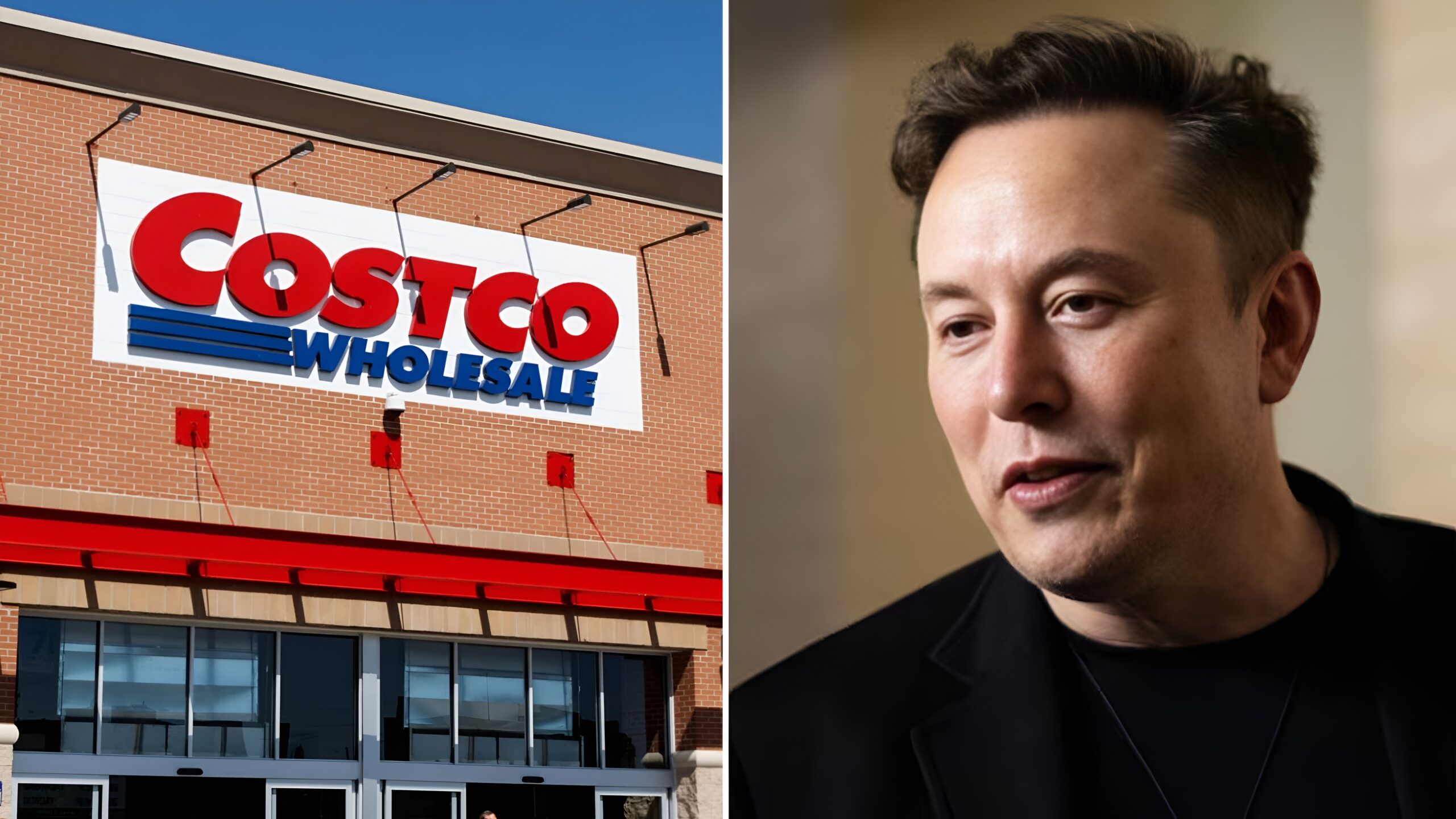
Retail giant Costco Wholesale Corporation has found itself caught in an unexpected political crossfire after filing a lawsuit against the United States government seeking a refund of duties paid under the tariffs imposed during the Trump administration. The routine, though massive, legal maneuver has been mischaracterized and amplified online, leading to a coordinated call for a boycott that has generated significant, albeit unverified, claims of membership loss.
The core issue stems from Costco’s recent filing in the U.S. Court of International Trade. The company is challenging the legality of the tariffs imposed on billions of dollars of imported goods, primarily from China, under Section 301 of the Trade Act of 1974. Costco is not alone; thousands of companies have filed similar lawsuits. The action is largely a precautionary measure intended to secure the company’s eligibility for a refund should the Supreme Court ultimately rule that the tariffs were imposed illegally, specifically through an alleged overreach of executive authority.
Experts point out that the timing of the lawsuit is crucial and dictated by procedural necessity, not political alignment. U.S. Customs and Border Protection “liquidates” or finalizes the tariff payments after a certain period. Once liquidated, the ability for an importer like Costco to claim a refund—even if the underlying tariff is later deemed unlawful—is effectively extinguished.
“Costco’s suit is a standard defensive strategy,” explains Dr. Alan T. Pierce, a professor of trade law. “It is a race against time to ensure they have an open legal claim. If the Supreme Court ultimately sides with the importers, any company that failed to file a protective suit will have forfeited its opportunity to recover potentially billions in overpaid duties. This is a matter of fiduciary responsibility to shareholders, not an anti-administration political statement.”
The duties in question amount to billions of dollars across the entire industry, representing a significant operational cost that companies like Costco have largely absorbed or passed on to consumers.
Despite the clear legal context, the lawsuit was quickly weaponized on social media. After high-profile figures, including entrepreneur Elon Musk, publicly criticized the action, the narrative shifted from a technical trade dispute to one of “corporate anti-patriotism.”
Musk’s posts, disseminated to his massive following on X (formerly Twitter), portrayed the lawsuit as an attempt by the company to undermine U.S. manufacturing and trade policy. One widely circulated post incorrectly asserted that Costco was prioritizing foreign goods over American labor by attempting to recover the tariff payments.
This rhetoric fueled an intense, concentrated online campaign calling for members to cancel their Costco memberships. Though figures are unconfirmed, initial reports circulating online, often citing anonymous or questionable sources, claimed the company had lost up to 100,000 members overnight.
A company spokesperson declined to confirm specific membership cancellation figures but emphasized that such claims are highly speculative and not reflective of the company’s overall business health. “Costco’s priority remains delivering value to our members,” the spokesperson stated. “Our legal action is strictly a trade matter, ensuring that we operate within the bounds of U.S. law and protect our financial interests on behalf of our member-owners.”
The controversy highlights the difficulty major corporations face in navigating the intersection of complex trade law and highly politicized public discourse. The tariffs, initially intended to pressure China into fairer trade practices, have been subject to intense legal scrutiny since their inception.
For companies like Costco, the imposition of tariffs represents a tangible cost, which must be managed by adjusting supply chains, renegotiating supplier prices, or raising retail prices. The pursuit of a refund is seen by many in the industry as a necessity to maintain competitive pricing and profitability, especially in the tight retail market.
The attention drawn by the boycott calls, while disruptive, has done little to shift the actual legal battle, which will continue to move through the courts based on constitutional and statutory arguments regarding the President’s authority to impose such wide-ranging duties under the relevant trade acts.
Ultimately, the impact of the online campaign will be measured not in transient social media trends, but in Costco’s sustained membership renewal rates and quarterly earnings, figures that typically prove resilient against short-term online controversies. The company’s focus remains squarely on the legal process and its potential, multi-billion dollar outcome.

