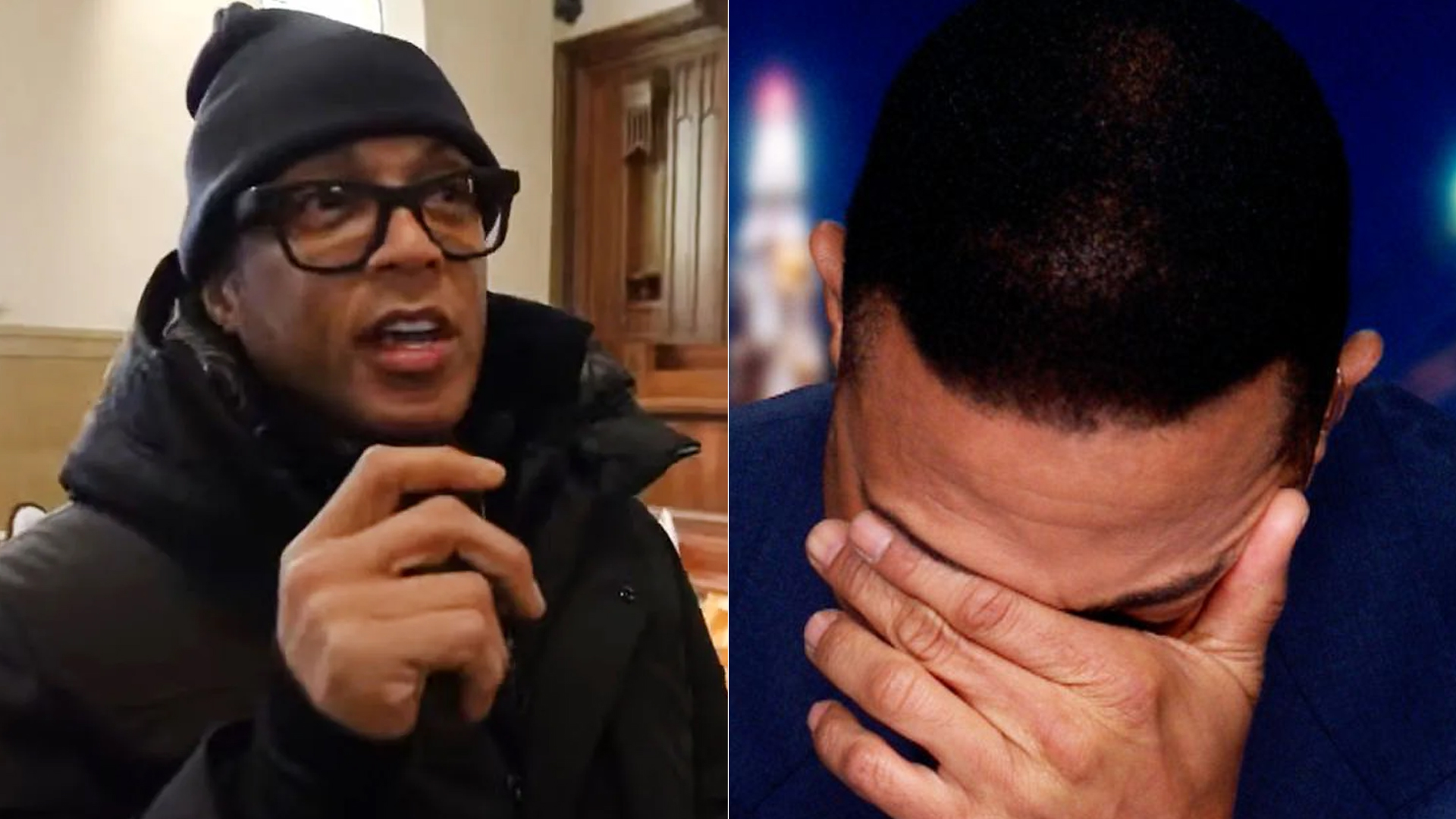
Don Lemon is facing a $20 million judgment after a Minneapolis jury found him liable in a lawsuit connected to a confrontation at a church service and an encounter with the congregation’s pastor.
The lawsuit involved 38 plaintiffs, each of whom was awarded $526,315 in punitive damages after the jury determined that their civil rights had been violated. The jury reportedly needed less than an hour to reach its decision.
The case centered on an incident during a church service in Minneapolis. Lemon was accused of disrupting the service and confronting the pastor, with members of the congregation later joining the lawsuit over what they described as violations of their civil rights.
After hearing arguments from both sides, jurors sided with the plaintiffs and ordered Lemon to pay punitive damages.
The size of the award immediately attracted attention.
With 38 people receiving $526,315 each, the combined damages come to roughly $20 million. The decision represents a substantial financial consequence for Lemon and could become an important part of his legal history if the verdict survives the appeals process.
The jury’s speed was another notable element of the case. According to the account of the proceedings, deliberations lasted less than an hour before jurors reached their conclusion.
For Lemon, however, the verdict is not the end of the matter.
He has indicated that he intends to challenge the judgment through an appeal in federal court. His legal team could seek to overturn the verdict or reduce the damages by arguing that errors occurred during the original proceedings.
An appeal could potentially keep the dispute alive for months or longer, depending on how the federal court handles the case.
The plaintiffs, meanwhile, now have a jury verdict in their favor and a significant damages award attached to it.
Punitive damages are different from ordinary compensation. They are generally intended to punish conduct that a jury considers sufficiently wrongful and to discourage similar behavior in the future.
That makes the $20 million figure particularly significant.
The case has also generated discussion because of the setting in which the confrontation occurred. Churches and other places of worship are generally expected to provide an environment where services can proceed without major disruptions. The plaintiffs argued that Lemon’s conduct crossed a legal line.
The jury ultimately agreed with their position.
Lemon has not indicated that he intends to abandon the case following the verdict. Instead, his decision to appeal means the dispute will now move into another phase.
A federal appeal could examine questions involving the trial court’s handling of the case, the legal standards applied and other issues raised by Lemon’s attorneys.
That process could produce a different outcome, but until an appellate court changes the judgment, the jury’s decision remains in place.
The case therefore leaves Lemon facing a substantial legal challenge.
For the 38 plaintiffs, the verdict represents the outcome of a lawsuit that they said was necessary to address what happened during the church service.
For Lemon, the next step is preparing his appeal and attempting to convince a federal court that the original judgment should not stand.
What began as a confrontation involving a pastor and a church congregation has now become a multimillion-dollar legal dispute.
And with Lemon planning to appeal, the final chapter of the case has yet to be written.

