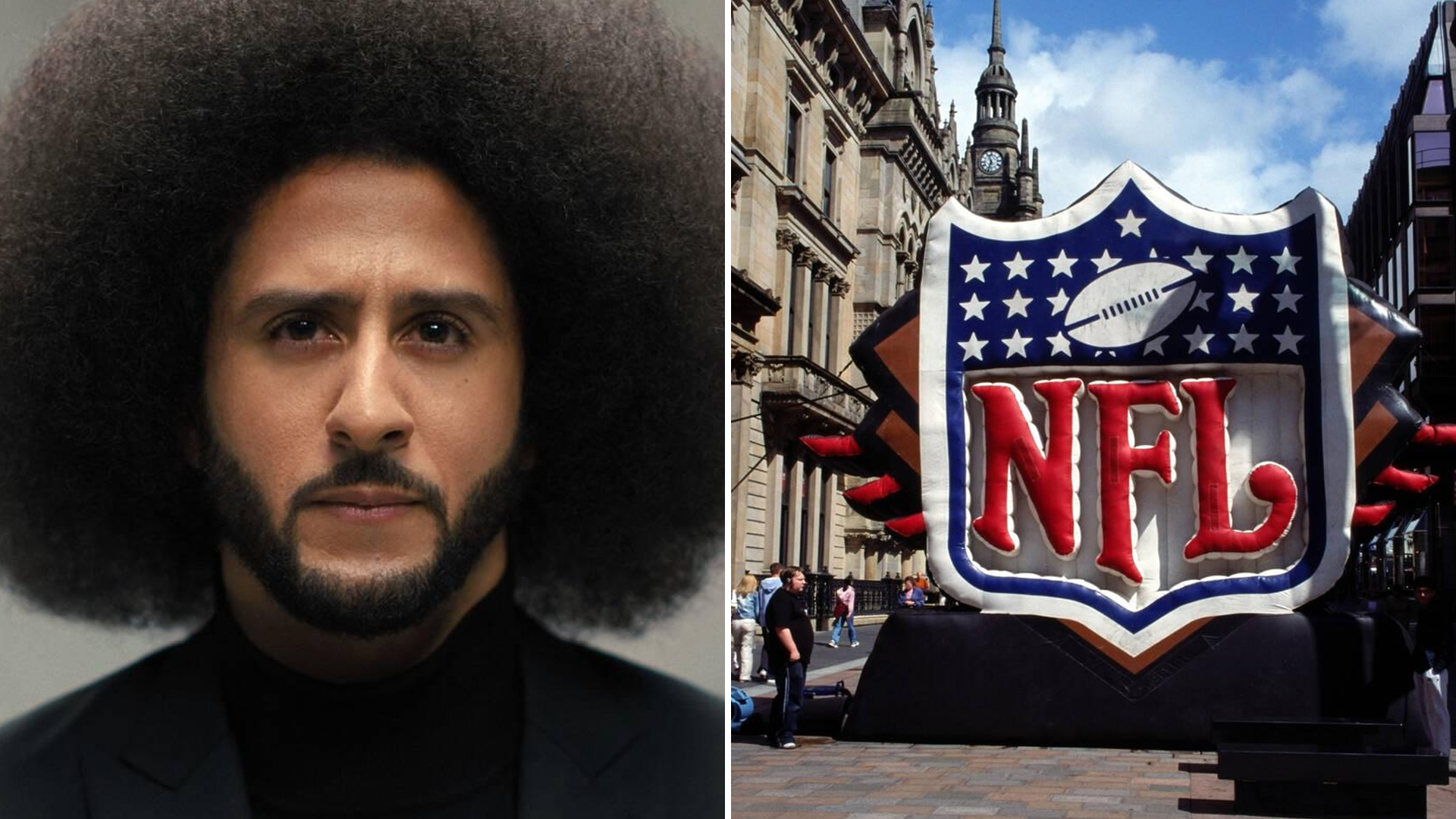
NEW YORK — In what insiders are calling one of the most emotional meetings in league history, NFL owners reportedly voted unanimously this week to ban Colin Kaepernick from all NFL stadiums after concluding that his influence on football discussions has somehow outlasted multiple presidential administrations, thousands of player transactions, and several redesigns of team uniforms.
The historic vote allegedly came after owners spent three straight days reviewing evidence that Kaepernick continues to be mentioned during nearly every major debate involving sports, politics, culture, social media, and, in one documented case, a neighborhood barbecue.
“We’re not saying he’s still playing football,” said one anonymous owner. “We’re saying we’ve reached a point where retired players are retiring from talking about Colin Kaepernick while other people are still talking about Colin Kaepernick.”
According to sources, the breaking point came when league officials commissioned a study to determine how often Kaepernick’s name appeared online. Researchers were forced to abandon the project after their computers began overheating.
“The numbers made no sense,” said one analyst. “Somehow his name was appearing in conversations about football, politics, Hollywood, coffee shops, electric vehicles, and a debate over whether cereal is technically soup.” The findings reportedly caused widespread panic among league executives.
One owner allegedly stood up during the meeting and asked, “If he’s not in the league, why is he still winning the time-of-possession battle?” Witnesses say the room erupted into applause.
League representatives unveiled what they called the “Decade of Disruption Report,” a 900-page document that attempted to explain why discussions surrounding Kaepernick remain active years after he last played in the NFL. The report’s conclusion consisted of a single sentence:
“Nobody knows.” To address the situation, owners proposed an unprecedented ban that would prevent Kaepernick from entering NFL stadiums, parking lots, souvenir shops, tailgate parties, and, according to an early draft, “any location where sports fans gather to argue.”
The proposal was later revised after officials realized it might accidentally include most of the internet.
Fans across the country reacted with confusion. “I thought he was already out of football,” said one lifelong NFL fan. “Now you’re telling me he was powerful enough to affect the league for over ten years without playing? That’s actually kind of impressive.” Several sports commentators appeared to agree.
Within minutes of the announcement, television networks launched emergency coverage featuring special graphics, dramatic music, and panel discussions involving people who had not watched a football game in years. One commentator argued the ban was necessary to protect the integrity of the sport. Another argued it was unnecessary.
A third spent forty-five minutes shouting at both of them. Ratings immediately surged. Meanwhile, NFL owners reportedly celebrated the vote by holding a private reception titled “The End of the Kaepernick Era.” Unfortunately, the celebration was interrupted when guests began arguing about Kaepernick.
“It was supposed to be a five-minute toast,” said one attendee. “Four hours later people were still debating him near the dessert table.” Sources say the irony went completely unnoticed. The controversy reached another level when leaked documents revealed owners had considered several alternative solutions before approving the ban.
Among the rejected ideas:
- Replacing all mentions of Kaepernick with elevator music.
- Renaming every controversy “The Situation.”
- Introducing a league-wide policy requiring fans to talk about current quarterbacks instead.
- Launching a public awareness campaign reminding everyone that the NFL has existed since before 2016.
None of the proposals received enough support. Owners reportedly feared that fans would simply find new ways to continue the conversation.
League consultants then suggested building a state-of-the-art “Kaepernick Containment Center” underneath NFL headquarters. The facility would reportedly monitor social media discussions and issue alerts whenever someone typed the words “football” and “woke” in the same sentence. The project was canceled after engineers determined the system would trigger approximately 17 million times per day. “We just don’t have that kind of storage capacity,” one technician explained.
As news of the ban spread, merchandise sales unexpectedly increased. Vendors reported strong demand for commemorative T-shirts featuring slogans such as “Still Talking About It” and “The Debate Never Ends.” Economists immediately classified the phenomenon as a renewable energy source.
“It’s one of the few resources that appears impossible to deplete,” said a market researcher. “No matter how many times people say they’re tired of discussing it, they continue discussing it.”
By Friday morning, social media platforms were flooded with reactions from celebrities, athletes, politicians, influencers, podcast hosts, and relatives who normally only post pictures of their pets.
Experts estimated that every public opinion on the matter generated at least three counter-opinions and a seven-part podcast series. The NFL declined to comment on the growing backlash, although sources say league officials are already preparing for the next controversy. In a confidential memo obtained by reporters, executives acknowledged a difficult reality.
“If we ban people for creating endless arguments,” the memo stated, “eventually we’ll have to ban half the country.” At press time, owners were reportedly considering a new initiative aimed at reducing political tension in sports by replacing all post-game interviews with weather forecasts and barbecue recipes. Early polling showed fans would probably argue about those too.

