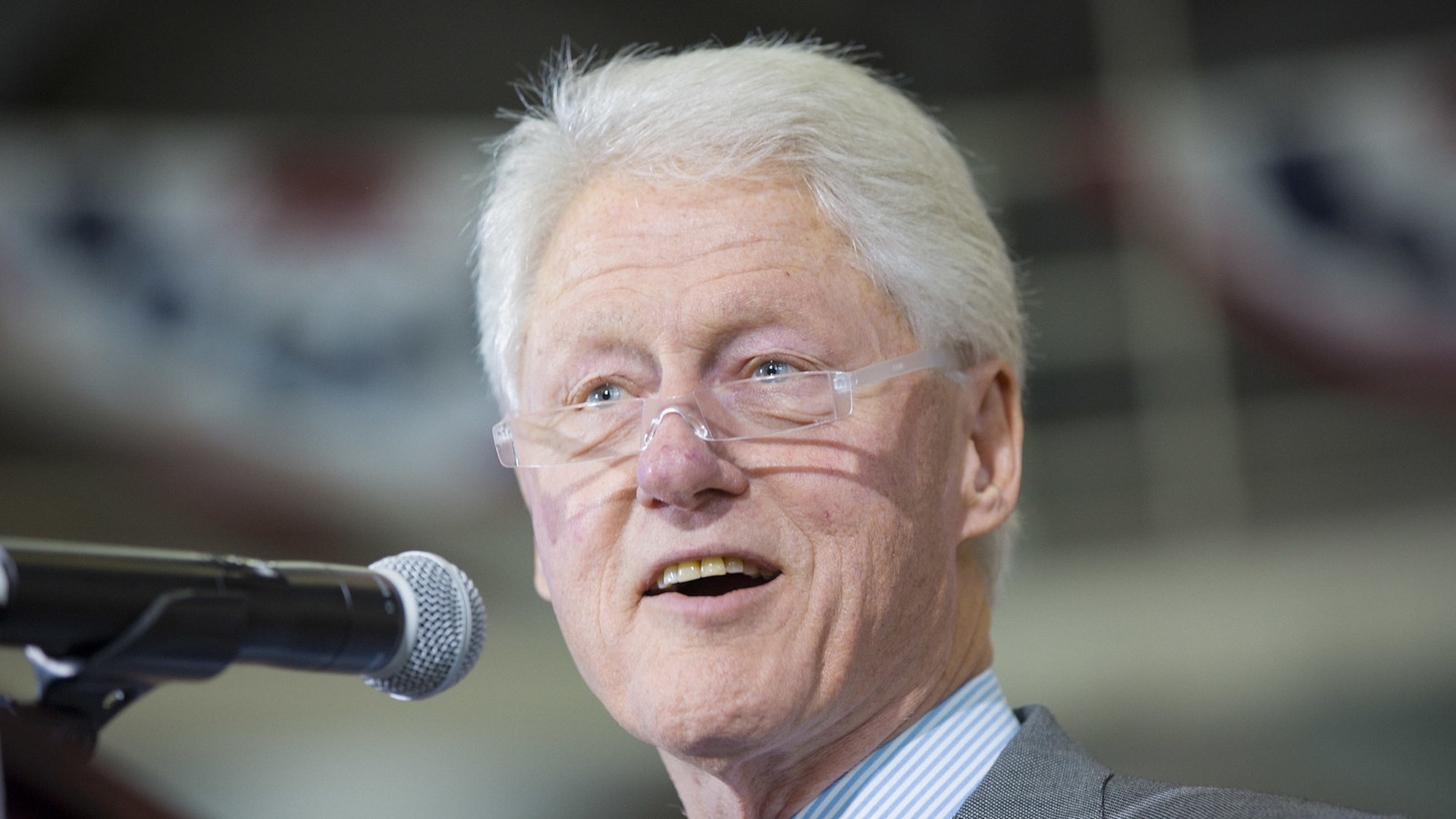
For years, the public has heard that the Epstein files were coming. For years, they’ve mostly been waiting. Now frustration over the slow release of documents tied to Jeffrey Epstein has turned into a debate of its own, and Bill Clinton’s name is once again part of the conversation.
Documents connected to Epstein have come out in pieces: court filings, unsealed depositions, government records, and batches released after lawsuits. Many arrived with heavy redactions. Some were held up by legal reviews or technical delays.
Critics say the slow pace makes it look like someone is hiding something. Officials say the process is slow because it involves victims’ privacy, ongoing litigation, and huge amounts of material.
Bill Clinton has long been mentioned in reporting about Epstein’s social circle, including flights in the early 2000s. Clinton has said he knew nothing of Epstein’s crimes and has not been accused of wrongdoing in any of the released documents.
But his fame means any new release brings a flood of searches for his name, and headlines usually follow. “His name is the first one people look for,” one investigative reporter said. “That doesn’t mean it’s the most important one.”
Lawmakers in both parties have pushed for faster and fuller releases. Some have introduced bills or sent letters demanding timelines. Victims’ advocates have been especially vocal, saying the people Epstein harmed deserve answers.
“Transparency is the whole point,” one advocate said. “Every delay feels like another insult.”
People who have worked with government records say much of the delay is boring but real. Every page must be checked for victims’ names, sealed material, and information tied to other cases. That takes time, and errors can cause legal problems.
That explanation hasn’t satisfied everyone. Online, people trade theories about who might be protected, often with little evidence behind them. Both parties have used the Epstein story to attack each other. Each side highlights the famous names from the other side. That makes calm discussion almost impossible.
The result is a public that wants answers but doesn’t fully trust anyone to give them.
Some transparency experts suggest a simple fix: clear timelines and regular updates on what is being reviewed and why. They say that wouldn’t speed up the work much, but it would reduce the suspicion that fills the silence.
“People can handle slow,” one former records official said. “What they can’t handle is not knowing.”
Part of the public’s distrust goes back to Epstein’s death in a federal jail in 2019. Official reviews ruled it a suicide and pointed to failures by guards and the jail system. Many Americans still have doubts, and that lingering suspicion colors how people see every delay in releasing records.
Reviews by the Justice Department’s inspector general found serious lapses in how the jail was run, including staffing shortages and missed checks. Those findings didn’t point to a cover-up, but they did leave many people convinced the system had failed badly.
“When the first story already sounds unbelievable, people stop believing anything,” one legal analyst said.
More documents are expected, but no firm dates have been announced. Until they arrive, the speculation will keep filling the gap.
Legal observers say future releases may come in larger batches now that much of the early review work is finished, though they warn that is far from guaranteed.
For Bill Clinton, it likely means another round of headlines with every release. For everyone else, it means more waiting, and a growing sense that the full story may take years to come out, if it ever does.

