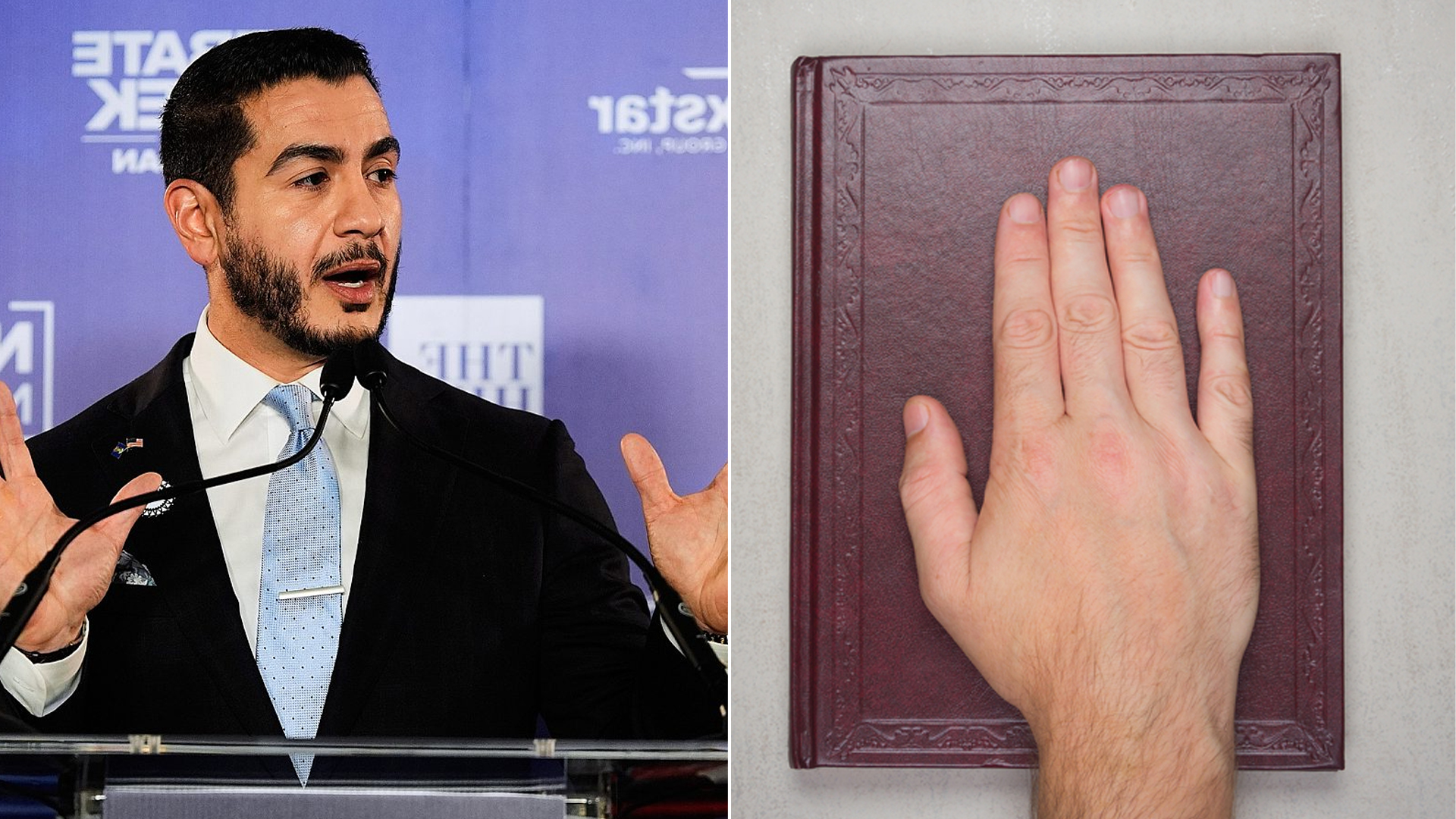
Abdul El-Sayed is getting ready for his arrival in the United States Senate, and his upcoming swearing-in ceremony is already attracting attention across the country. The Michigan Democrat made history with his election victory, becoming the first Muslim ever elected to the U.S. Senate. Now, there is growing interest in whether he will use the Holy Quran during his ceremonial oath-taking in January.
For El-Sayed, the moment could carry a significance that goes well beyond simply taking his seat in Congress. His Muslim faith was a major topic throughout the campaign. While supporters celebrated his historic candidacy, political opponents repeatedly questioned his background and religious identity.
El-Sayed refused to make that the defining feature of his campaign. He focused instead on healthcare, economic concerns, and the issues he believed mattered most to Michigan families.
His victory speech, however, included a moment that quickly became one of the most discussed clips of the election night. Addressing Vice President JD Vance, El-Sayed jokingly referred to him as “habibi” before reminding him that he would have to administer the oath when the new senator arrived in Washington.
The comment was a pointed reference to the role traditionally played by the vice president during Senate swearing-in ceremonies. It also gave El-Sayed an opportunity to address the political controversy surrounding his religion with a little humor.
The possibility of taking his ceremonial oath with the Quran has since attracted attention. If he chooses to do so, he would be following a precedent established by other Muslim lawmakers who have used the Islamic holy book during congressional ceremonies.
The Constitution itself does not require senators to swear on any particular religious text. The official oath is a commitment to uphold the Constitution, and lawmakers are free to incorporate personal religious traditions into ceremonial events.
One of the most famous examples came in 2007, when Keith Ellison became the first Muslim elected to the House of Representatives. He used a Quran once owned by former President Thomas Jefferson during his ceremonial swearing-in.
That decision generated a national debate at the time, with supporters describing it as an expression of religious freedom and critics questioning the symbolism. Nearly twenty years later, El-Sayed’s arrival in the Senate has brought the subject back into the spotlight.
His election is particularly significant because Muslims have historically been underrepresented in the highest levels of American government. El-Sayed’s supporters see his victory as evidence that candidates from different religious backgrounds can compete successfully for some of the country’s most influential political positions.
The senator-elect has also indicated that he intends to remain active beyond his own election. His political action committee, Habibi PAC, is expected to support candidates and initiatives aligned with his political priorities.
But before all of that begins, there is the matter of taking office.
El-Sayed is expected to be sworn in when the new Senate convenes in January 2027. Whether he ultimately chooses the Quran for his ceremonial ceremony remains to be officially confirmed. Still, the possibility has already generated considerable discussion.
For El-Sayed, the moment could become a memorable introduction to his Senate career. For Muslim Americans watching from across the country, it could represent another important milestone in the country’s long history of religious diversity. And when he finally takes his seat in Washington, the attention will be on what he plans to do with the opportunity he has been given.

