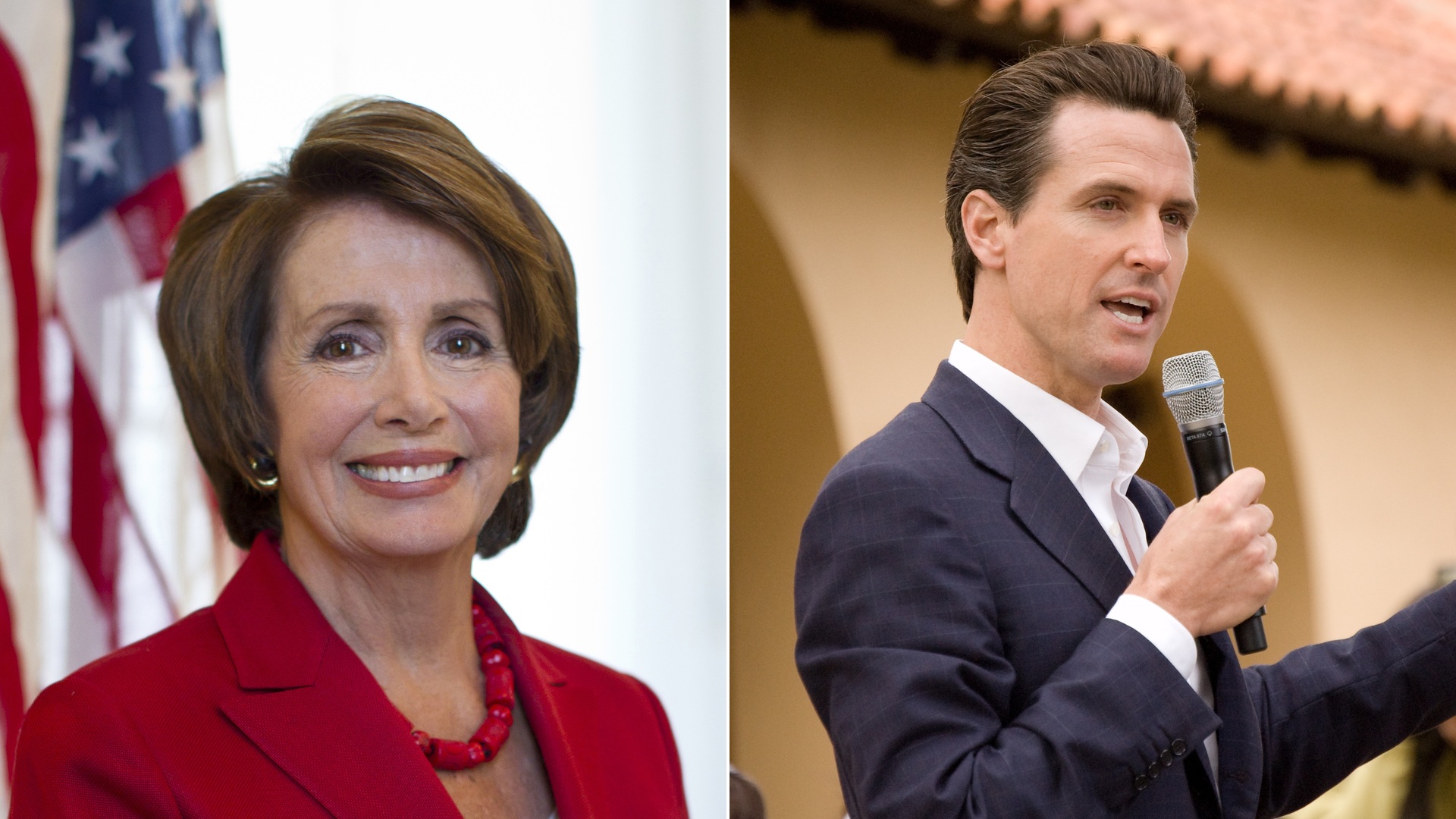
Gavin Newsom and Nancy Pelosi did not whisper their answer. When the Justice Department said it wanted federal observers in the room for California’s vote count, the two of them treated the request like a leaky faucet: loud, dripping, and not invited to stay.
The department had framed the idea as a simple courtesy. Let our people watch. Let the public see that someone from Washington had a chair and a notepad. Officials said they were not trying to run the count, only to see it up close.
Newsom’s version was punchier. He said California has been counting votes for a long time and does not need a chaperone from the other coast. He said if federal officials want to observe, they can use the same public windows everyone else uses, and they can leave the lecture at home.
Pelosi followed with a briefing that felt like a gavel wrapped in a scarf. She praised clerks, thanked volunteers, and then, with a tightness around the smile, said the state would not be treated as a problem in need of a visiting adult. She said existing rules already account for who may watch, and those rules were not written on a napkin.
A Justice Department spokesperson called that “a disagreement about access, not about pride.” The sentence was reasonable. It also had no chance against two California politicians who can turn pride into a press conference with about ten minutes of notice.
The spar spilled across morning shows. Newsom made a joke about sending observers to watch Washington try to pass a budget on time. Pelosi made a joke about folding chairs and uninvited guests. Neither joke was subtle. Both did the job.
In county offices, the people who actually open envelopes watched the noise with the tired interest of professionals who have work to do. One registrar said she would be happy to give a tour if anyone asked politely and brought their own coffee. She did not appear on cable. Her inbox did grow.
The department kept saying the request was standard and healthy. Newsom kept saying the tone was not. Pelosi kept saying California would cooperate with the law and would not cooperate with a scolding. Those are different sentences, and both sides pretended not to notice.
A columnist wrote that the fight was really about dignity, meaning nobody wanted to blink first on television. A radio host in Los Angeles took callers for two hours. The callers were sure, loud, and not always talking about chairs.
By Thursday, letters had been exchanged on thick paper, which is how modern governments prove they are serious. The department’s letter talked about public confidence. California’s letter talked about public competence. Readers could feel the temperature through the stationery.
Pelosi, leaving an event with a bouquet she did not ask for, told reporters the matter was “getting more air than it deserves.” Newsom, leaving a different event with a bouquet he definitely asked for, said he was happy to talk about it until Washington found another hobby.
Staffers on both coasts began drafting a compromise that looked, in early form, like a slightly better hallway. More visibility, fewer speeches. Whether that draft survives contact with the next news cycle is a question for people who believe in drafts.
For now the count remains a California operation with a very noisy interested party on the other end of the phone. Newsom and Pelosi have done the brushing off. The Justice Department has done the asking. The public has done the watching, which was the idea, just not the way anyone first pictured it.
If observers eventually get a better view, it will come with a seating chart and a warning not to make a speech. If they do not, the speeches will continue anyway. In this spat, the microphones were always going to win the first round.

