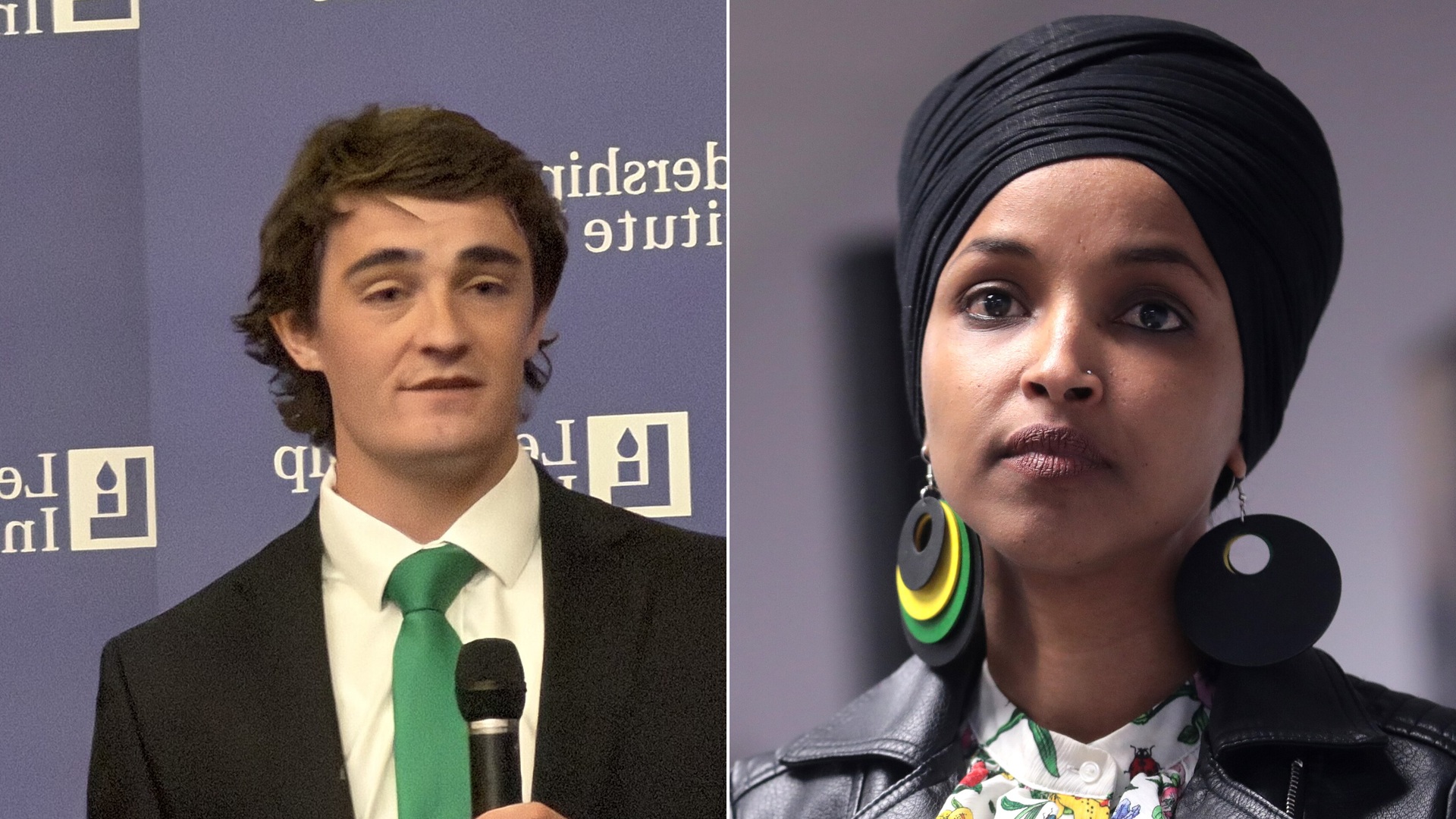
Some reporters send polite emails. Nick Shirley shows up in person with a phone on a stick. The citizen journalist has turned his attention to Minnesota’s Medicaid fraud mess, and he says Ilhan Omar’s office is one of the stops on his tour.
Alex Bruno spoke with Shirley about the trip, the questions and the very cold weather.
Shirley built his following on a simple formula. Find a story people are mad about, go stand where it happened and start asking questions. Sometimes he gets answers. Usually he gets a door closed politely in his face. Either way, the views roll in.
Minnesota’s Medicaid fraud cases were made for his format. Big numbers, lots of paperwork and plenty of officials who’d rather not talk about it.
“Taxpayers got burned,” Shirley said. “I want to know who had the fire extinguisher.” Shirley is quick to say he isn’t claiming Omar was involved. Nobody has produced evidence that she was, and he says that’s not the story he’s chasing.
What he wants, he says, is a picture of oversight. Who in Congress raised concerns? Who wrote letters? Who asked state agencies to tighten things up? “Members of Congress love to talk about accountability,” he said. “Great. I’m here to ask about accountability. Very friendly. Very short questions.”
Shirley’s first day in Minneapolis didn’t go exactly as planned. He forgot gloves. His phone battery died in the cold. A local man walking a dog stopped to explain, at length, that Shirley was standing in front of the wrong building.
“Minnesota nice is real,” Shirley said. “He was so nice about telling me I was an idiot.” He eventually found the right office, where a staffer took his questions and promised to forward them. Shirley called that a win.
His supporters say he’s doing what the mainstream press won’t, asking blunt questions of powerful people. His critics say he’s chasing attention and that real investigators are already handling the cases.
Shirley seems comfortable with both camps. “If people are watching, the questions get answered faster,” he said. “And if I’m wasting my time, at least I’m wasting it in a really nice coat. Well, a coat. I need a better coat.”
Shirley shared a rough version of his list with Bruno. It’s not exactly a grand jury subpoena. Did the office receive complaints about Medicaid providers in the district? Did it pass those concerns to state or federal agencies? Has it supported any bills to tighten oversight? And, at the bottom, in his handwriting, “Where do you guys get coffee around here?”
“The last one is the most important,” Shirley said. “I’ve been running on gas station coffee for three days.” He says he expects a boring answer and would honestly be happy with one. “Boring is good. Boring means somebody was paying attention.”
Shirley has also been talking to regular Minneapolis residents, many of whom say they’re tired of the whole fraud story and just want the money back. One woman told him she didn’t care who caught the bad guys, as long as somebody did.
Shirley says he’ll post his full list of questions online so viewers can see exactly what he asked. He wants to keep it clean, nothing about rumors, just oversight and spending.
He also plans to visit state offices, attend a public hearing and try a hotdish for the first time. “I’m told it’s mandatory,” he said. “Like the questions.” Omar’s office did not respond to a request for comment.

