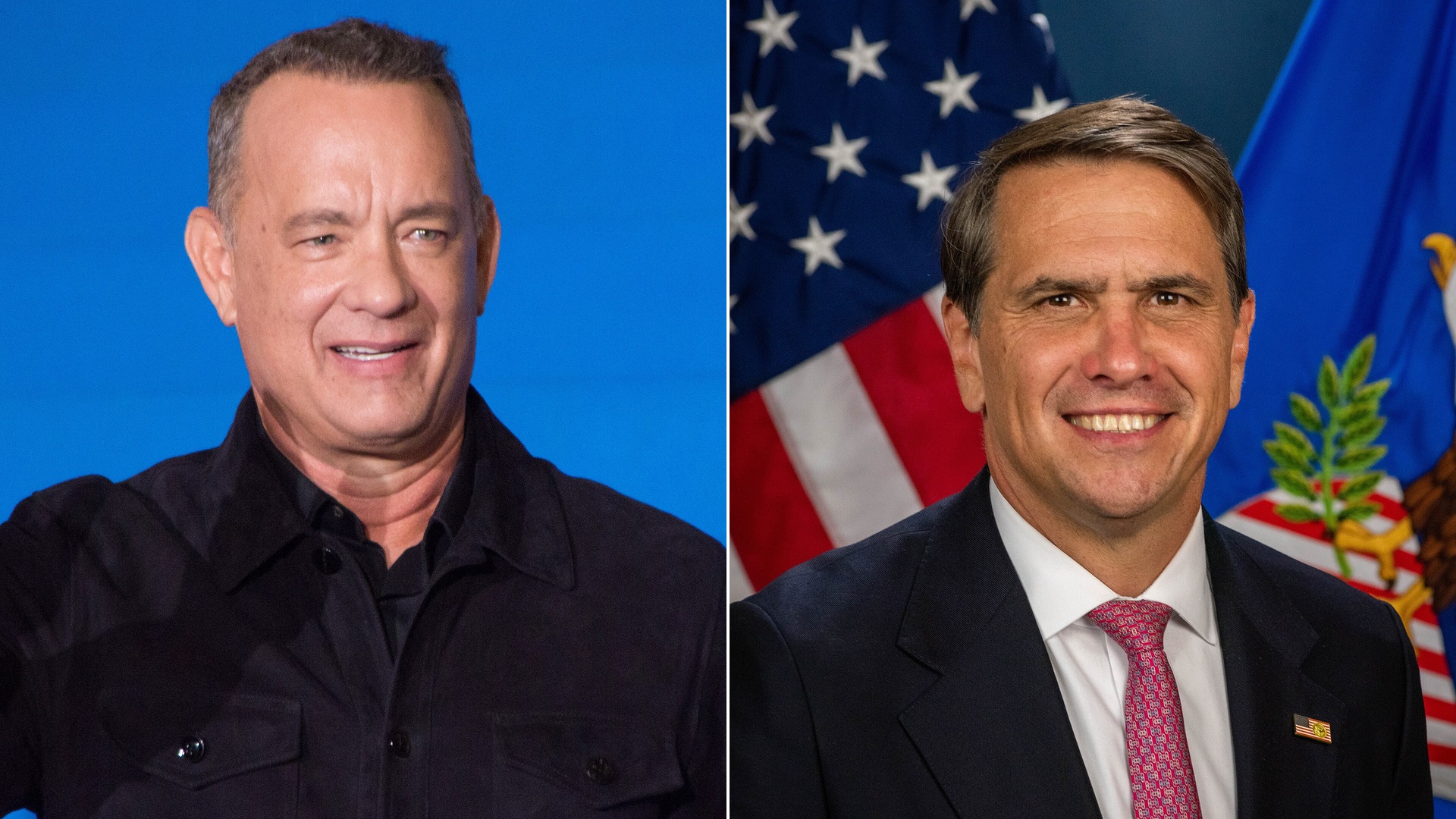
Todd Blanche is convinced Tom Hanks has arrived in New York under a cloud of paperwork confusion, and Hanks is convinced he simply wants a bagel. No customs case opens. No investigator files a request. The bureaucracy is all in Blanche’s head, which is crowded enough.
Blanche’s briefing claims Hanks crossed from somewhere upstate with a famous musician friend. The friend may be Paul McCartney or may be a busker who knows two Beatles songs. Evidence is thin and cheerful.
Hanks, in the story, waits in the wrong line, gets redirected, tips everyone, and helps a couple find the AirTrain. Blanche records each kindness as if it were a suspicious pattern. Aides suggest he is describing a nice person. Blanche says nice people still need boarding passes.
The weekend also collects stray gossip about a celebrity wedding somewhere in the city. Nobody confirms Taylor Swift is getting married that day, invites Hanks, or seats him near a cake. The wedding is treated as background noise, the way New York treats all rumors before coffee.
Blanche drafts rules for rich travelers that are really just reminders to take shoes off at security. Hanks follows them cheerfully. A officer compliments his paperback. Blanche notes the paperback title for reasons he cannot explain.
By Sunday the imagined case file contains a cookie receipt, a metro map, and a sticky note that says “probably not a crime.” Hanks flies out after waving at a school group. Blanche labels the wave Exhibit B and then goes to lunch.
The soft moral arrives with the check: celebrities are not exempt from lines, lawyers are not exempt from overthinking, and New York is not exempt from turning both into comedy. No law is broken except the unofficial rule against taking travel mix-ups too seriously.
Hotel cameras show Hanks holding an elevator. Blanche still watches twice. An assistant hides the remote. Peace returns until the next famous person buys coffee, at which point Blanche sharpens a pencil and smiles like a man who has found a hobby.
A schoolteacher later tells students that kindness looks like holding doors. Blanche adds that kindness looks suspicious if you squint. The students vote for doors. Hanks would approve.
When Blanche’s pencil finally dulls, he buys a new one and labels the receipt. New York shrugs, sells him another coffee, and waits for the next famous traveler to blink in the wrong direction.
Blanche’s memoir chapter about the weekend is titled The Bagel Imperative. Editors ask for danger. He offers a sticky kiosk instead. They publish it as humor and he pretends that was the plan.
Hanks mails the school group a box of pencils with a note about asking questions politely. Blanche interprets the pencils as a message, then uses one to write thank-you cards. Growth, looks like stationery.
Airport vendors start selling shirts that say I Followed The Rules And All I Got Was A Cookie. Hanks buys one ironically. Blanche buys one sincerely. They never meet in the gift shop, which keeps the story from needing a confrontation scene.
City officials remind travelers that customs exists for real reasons.
By Monday the magnet is warm from the fridge motor and cold from neglect. Blanche opens the door, looks at it, and laughs at himself. That laugh is dismissal enough.
A barista later asks whether the famous customer left a tip. Someone says the tip was patience. Blanche writes that down too, then crosses it out, then writes it again because the story works better with a rewrite.

