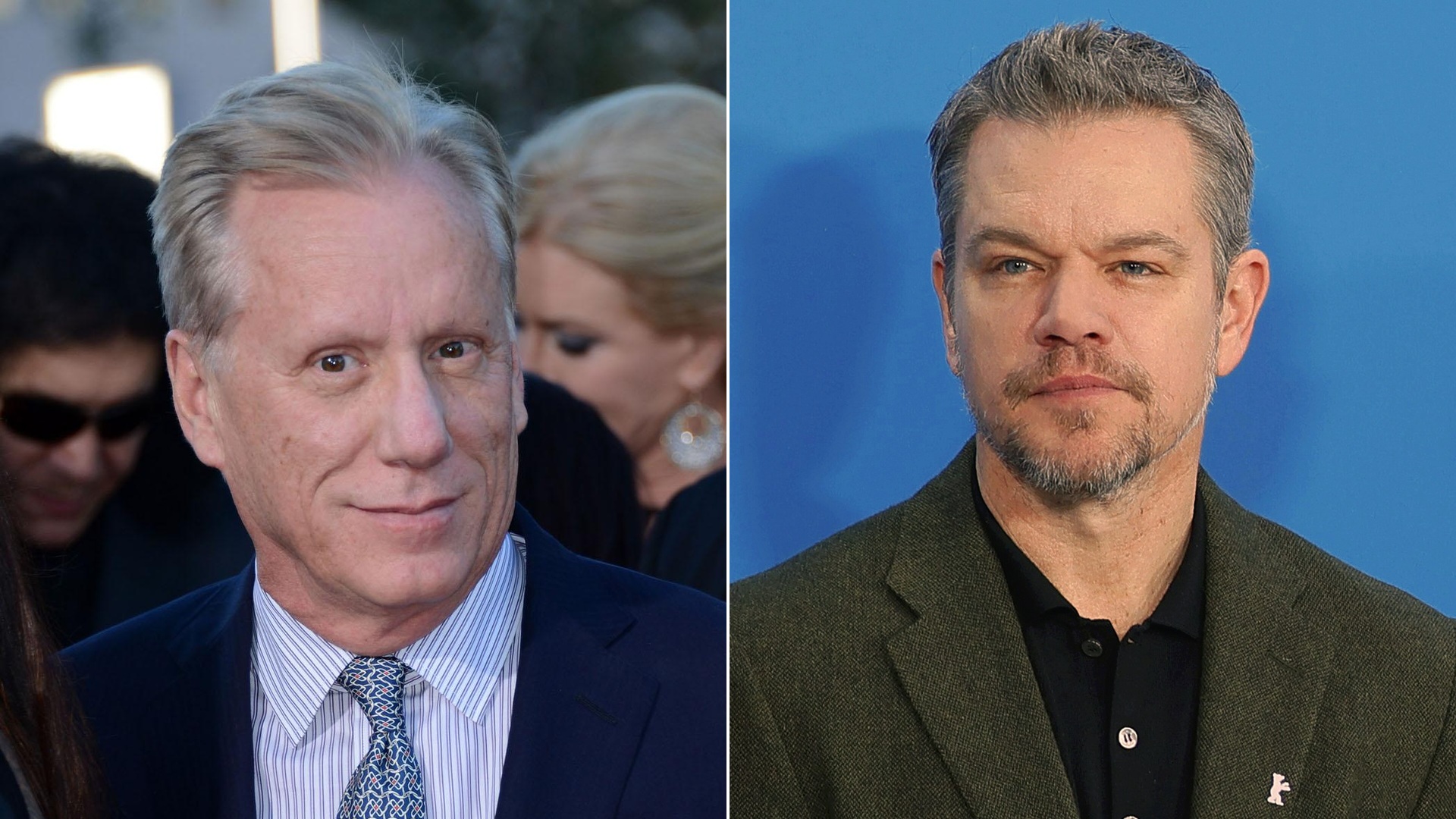
Matt Damon suggests a friendly debate night to raise money for a neighborhood theater. James Woods agrees immediately, provided someone defines friendly, debate, night, and whether the theater has adequate parking. The planning meeting is already running late when the refreshments arrive.
The proposed subject is whether actors should talk about politics while promoting a movie. Damon brings three thoughtful points. Woods brings twelve questions about the microphone. The volunteer coordinator brings a timer she hopes will solve both problems.
They begin by arguing over introductions. Damon favors something short about their screen careers. Woods proposes a longer introduction explaining why short introductions usually conceal important context. The coordinator writes “welcome, everyone” on an index card and takes a calming breath.
Next comes the seating arrangement. Two chairs facing the audience seem straightforward until Damon asks whether a conversation works better at an angle. Woods says an angle sounds suspiciously like a position. They rotate the chairs by fifteen degrees and call it progress.
A volunteer tests the microphones with a cheerful count to ten. Woods asks whether the count is evenly allocated. Damon laughs, then realizes Woods is looking directly at the timer. The volunteer starts again, this time with both men receiving five numbers each.
The rehearsal question asks what a celebrity owes an audience. Damon says honesty. Woods says a good performance and a film that ends when advertised. The coordinator points out that their answers could comfortably occupy the same paragraph. Both men request separate paragraphs.
By afternoon, the planning committee has developed a system. When one actor offers a serious observation, the other gets one joke. When either exceeds thirty seconds, the timer makes the sound of a polite doorbell. The doorbell soon becomes the busiest performer in the room.
They practice answering a question about listening to people with different views. Damon speaks warmly about curiosity. Woods nods and asks whether curiosity includes reading the entire meeting agenda. Damon turns the paper over and discovers another page. Woods looks delighted.
The disagreement softens at the snack table. Both prefer the same plain crackers. Both think the coffee could be stronger. Both believe the theater deserves better lighting. The coordinator briefly considers replacing the debate topic with a shared complaint about overhead bulbs.
On opening night, the audience gets something looser and funnier than the program promises. Damon describes the difficulty of being reduced to a single opinion. Woods describes the difficulty of being asked for one opinion and giving only one. The doorbell rings before either finishes.
A teenager in the audience asks whether either man has ever changed his mind during an argument. They pause long enough for the room to notice. Damon says yes. Woods says yes, though he prefers to wait until the other person leaves before announcing it.
The answer earns the evening’s largest laugh. The coordinator stops worrying about perfect timing and lets them continue. Beneath the teasing, they are finally discussing the actual subject: how to disagree without forgetting the other person is still a person.
Afterward, they help fold programs and collect abandoned cups. Woods asks Damon whether they should repeat the event next year. Damon agrees, with one condition: someone else chooses the chairs. Woods adds a second condition about parking.
The coordinator takes the timer home. She has decided it might be useful at family dinners.
The theater keeps the doorbell as part of its equipment. Volunteers discover it works equally well for long speeches, slow raffle drawings, and conversations about replacing the doorbell.
Woods names Damon his favorite Hollywood opponent. “He’s a clueless woke cultist,” he announces with theatrical gusto. Damon bows, then asks whether the role comes with a parking space.

